
Depop
I’m a regular Depop user, although I’ve never felt like the service was speaking to me. It’s always felt like my understated fashion sense has been a contrast to the platform's bold messaging, almost entirely aimed at Gen-Z, but what happens when Gen-Z grows up?
Will Depop grow with them, or fizzle out, unclear of the next logical strategy move?
Clothes That Fit
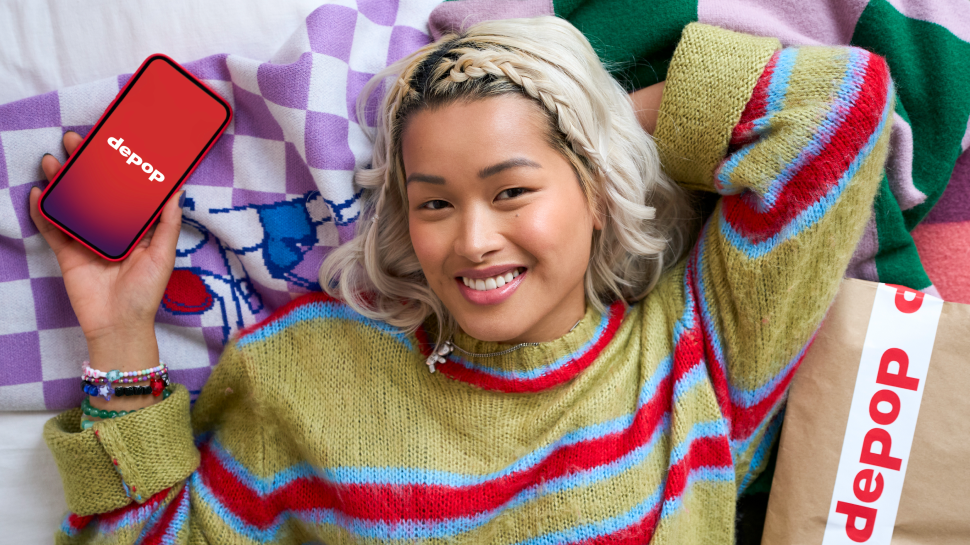
Depop hit their stride when they merged the digital secondhand marketplace with the growing power of influencer culture. This resonated strongly with Gen Z, who ditched Etsy and Ebay in favor of a brand that gave them a spotlight to show off their second hand fashion skills.
This challenge required a wealth of research. Who is Depop trying to reach? Who are they actually reaching? Most importantly, who have they failed to reach? I conducted several interviews with an aspirational audience that Depop hopes to retain.
Three subjects that represent the Depop consumer spectrum. Ranging from Millenial to Gen-Z. If Depop wants to stay relevant in the long run, it must grow with these people.
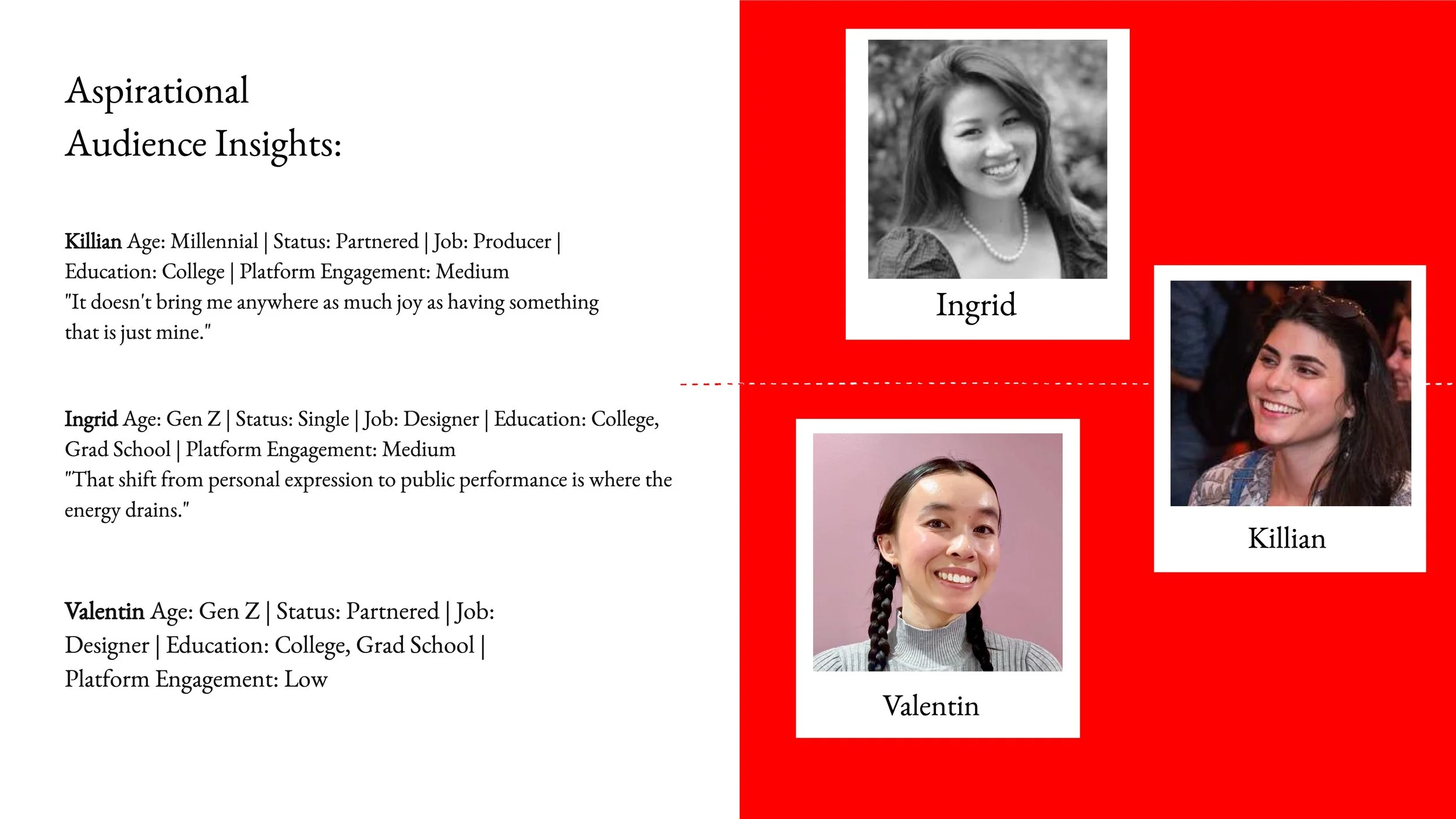
What I was surprised to learn is that even Gen Z was growing tired of the performative nature to the Depop brand. Most of my interviewees were content enough finding and wearing the clothing and felt no need to “influence” others. Moreover, they felt the platform itself has drifted from its authentic roots into performance-driven exhaustion. To these women, rarity, discovery, and sustainability matter more than ownership or recognition.
It was from this revelation that I crafted Depop’s inevitable new Design Target:
The Post Performance Dresser: They are older, wiser, and trust in their own curated sense of fashion. They are no longer interested in influencers or trends, but still love fashion and have more money than ever to spend on the things they love.
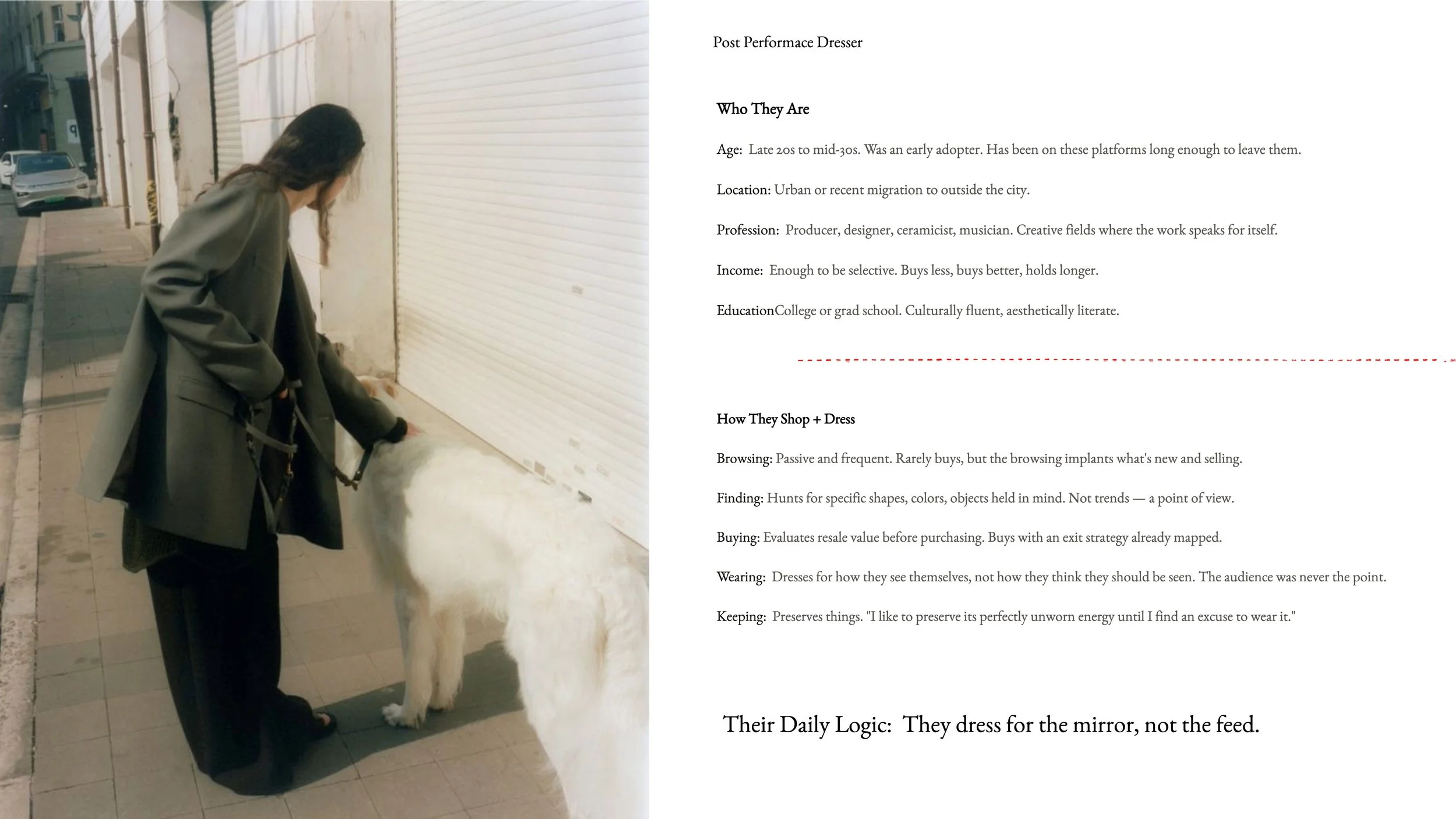
The Post-Performance Dresser opted out of performance culture years before platform fatigue became a mainstream conversation — and the people who share their logic are not fringe figures. They are among the most culturally influential people in music, art, and design working today.
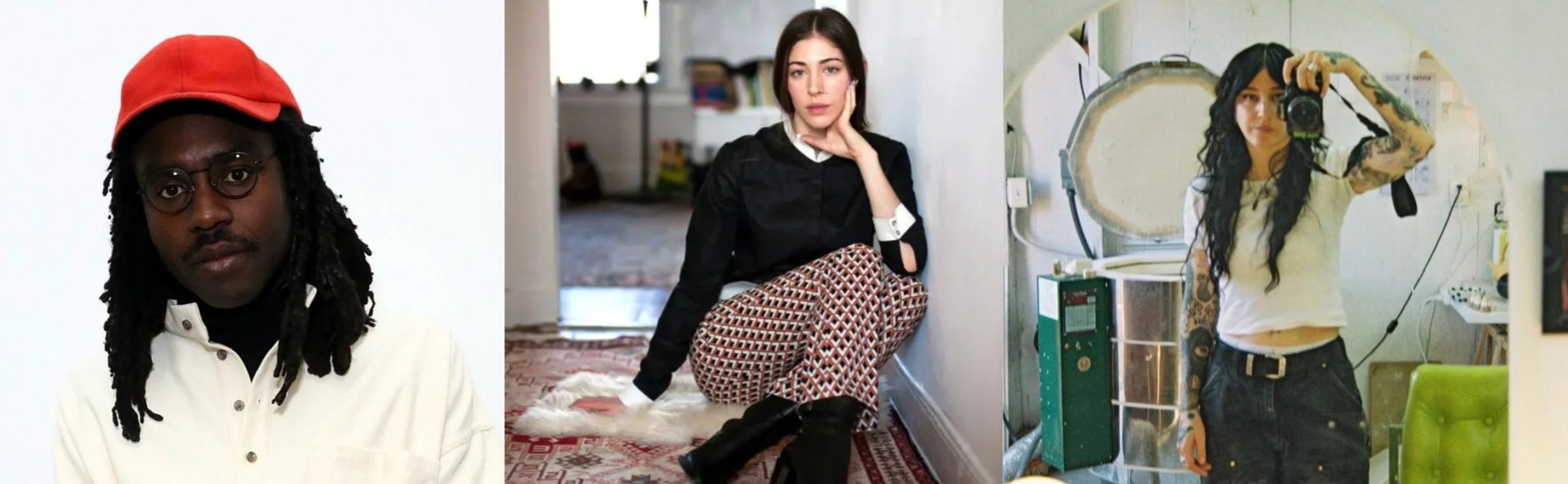
But Who Is The Post Performance Dresser?
Where are they in the wild? Who out there embodies these same truths to substantiate the research as well as signal this persona to other like-minded people?
Blood Orange (Dev Hynes)
1M followers (@devhynes)
Dev Hynes is a musician, producer, and composer whose creative output spans R&B, indie, orchestral, and electronic music — and whose personal style operates with the same genre-agnostic logic. His fashion is effortless and instinctive rather than curated: vintage pieces, worn-in basics, and a quiet refusal to signal.
Caroline Polachek
718K followers (@carolinepolachek)
Caroline Polachek is a lifelong devotee of vintage and thrifting who approaches fashion the way she approaches music — with deep research, esoteric references, and zero interest in what's current. She has said that style became more important to her than fashion when she realized style is the thing you repeat — the shapes you like, the things you never wear, the things that make you, you.
NonPorous Ceramics
52K followers (@nonporous.ceramics)
NonPorous Ceramics is a Los Angeles-based studio making functional handmade vessels — mugs, cups, and objects described as "an expression of movement through clay communicated through the use of the vessel in your daily routines." The work is colorful, graphic, and airbrush-inflected, sitting at the intersection of fine craft and everyday use. The account's low follower count relative to its cultural influence is the point — it circulates in the right rooms without performing for a broader audience.
The Result
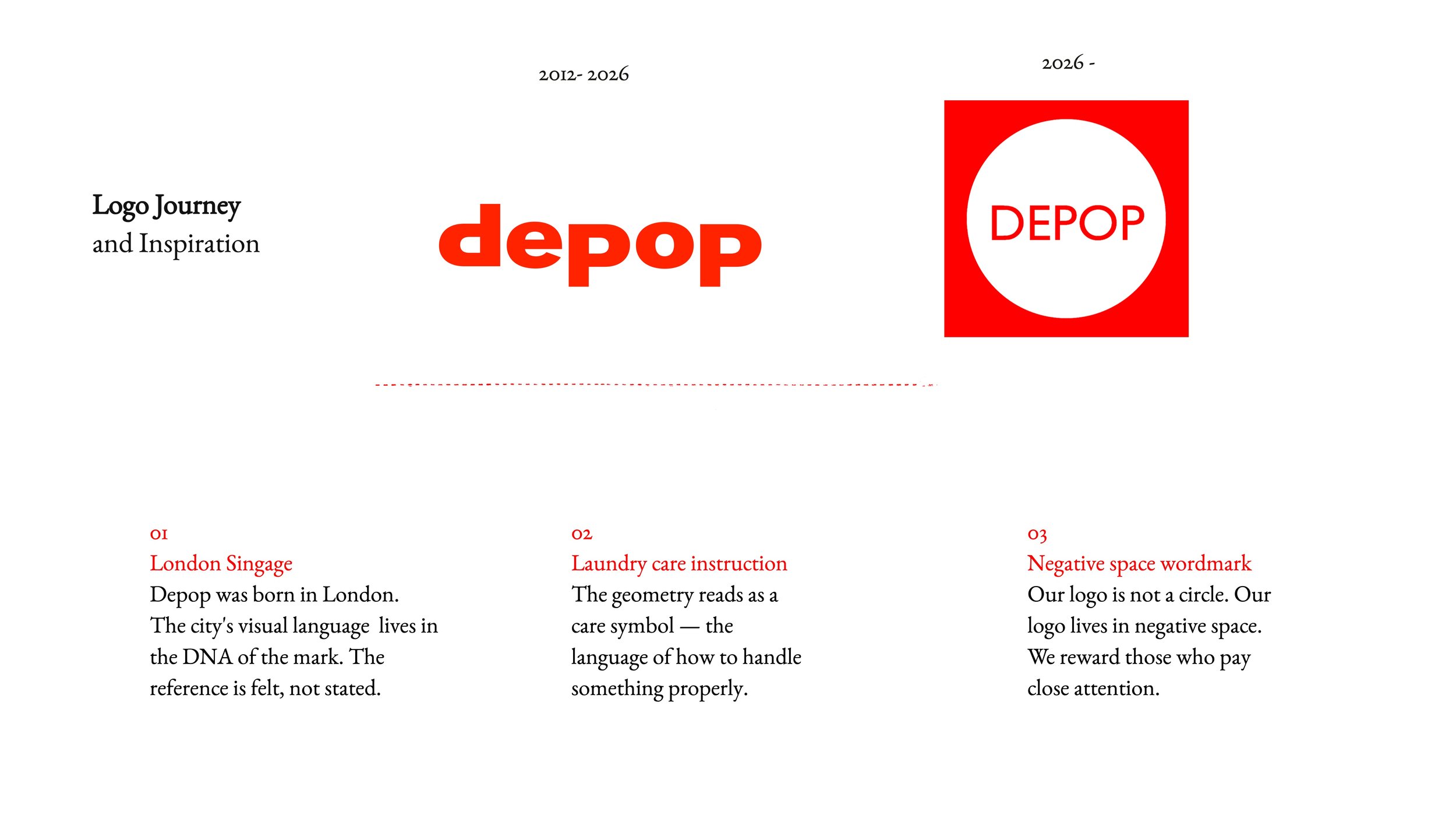
With our Design Target acquired and our research sound, I built the new Depop identity and messaging around a single slogan:
Clothes That Fit.
It is simple by design and yet still holds everything important to the Design Target. They know what they want in a shopping platform, and they need it to work for them, not vice versa. Tonally, it felt natural to bring in Depop’s British origins as it signals a longstanding cultural creed of regal modesty.
The results are a fully realized branding strategy as original and self assured as their audience.
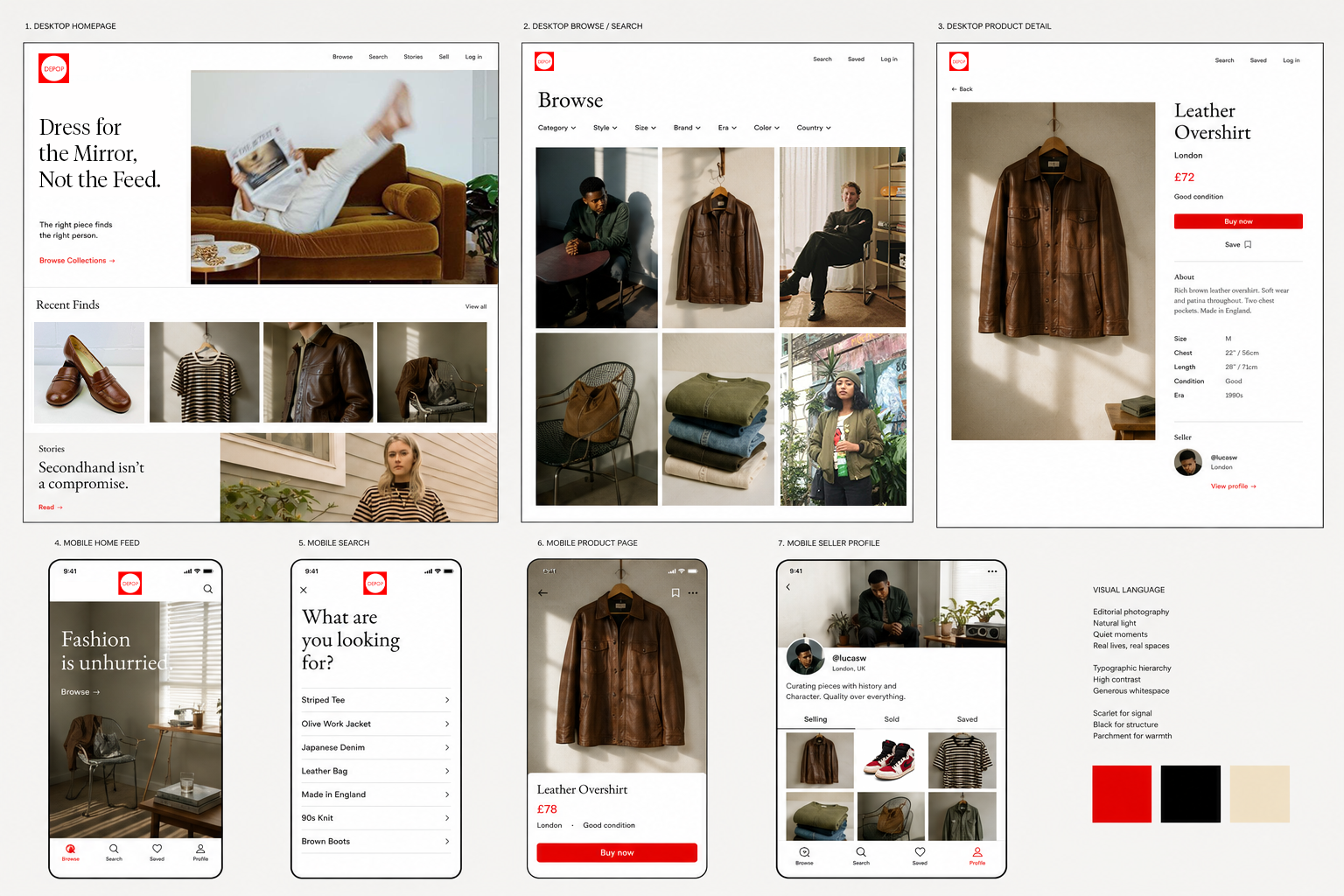
The customers first touchpoint with the brands new ethos is on web and mobile. Here they become reacquainted with the brands same winning service, now delivered in a new subtle sophistication to match the moment.
Digital
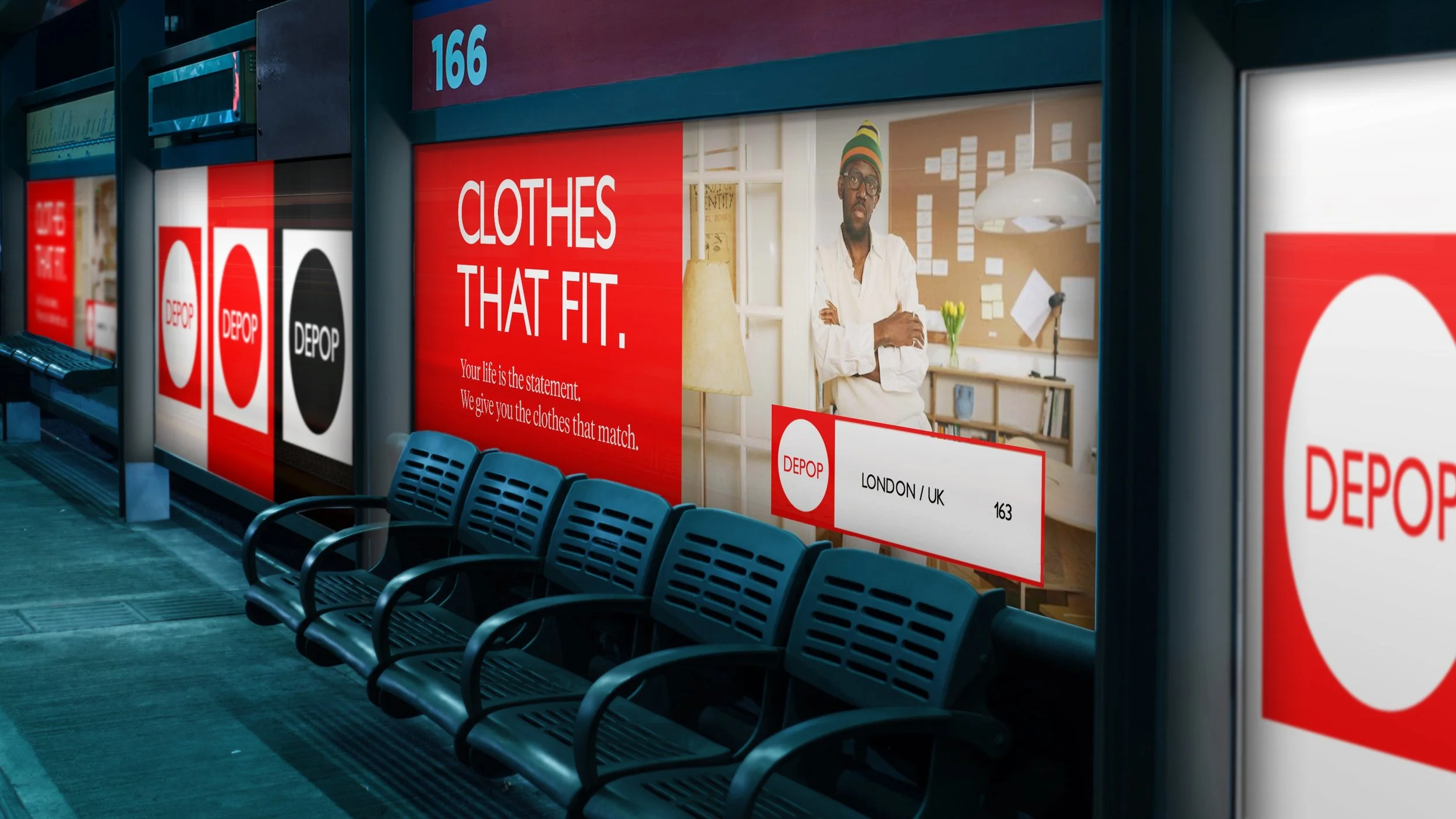
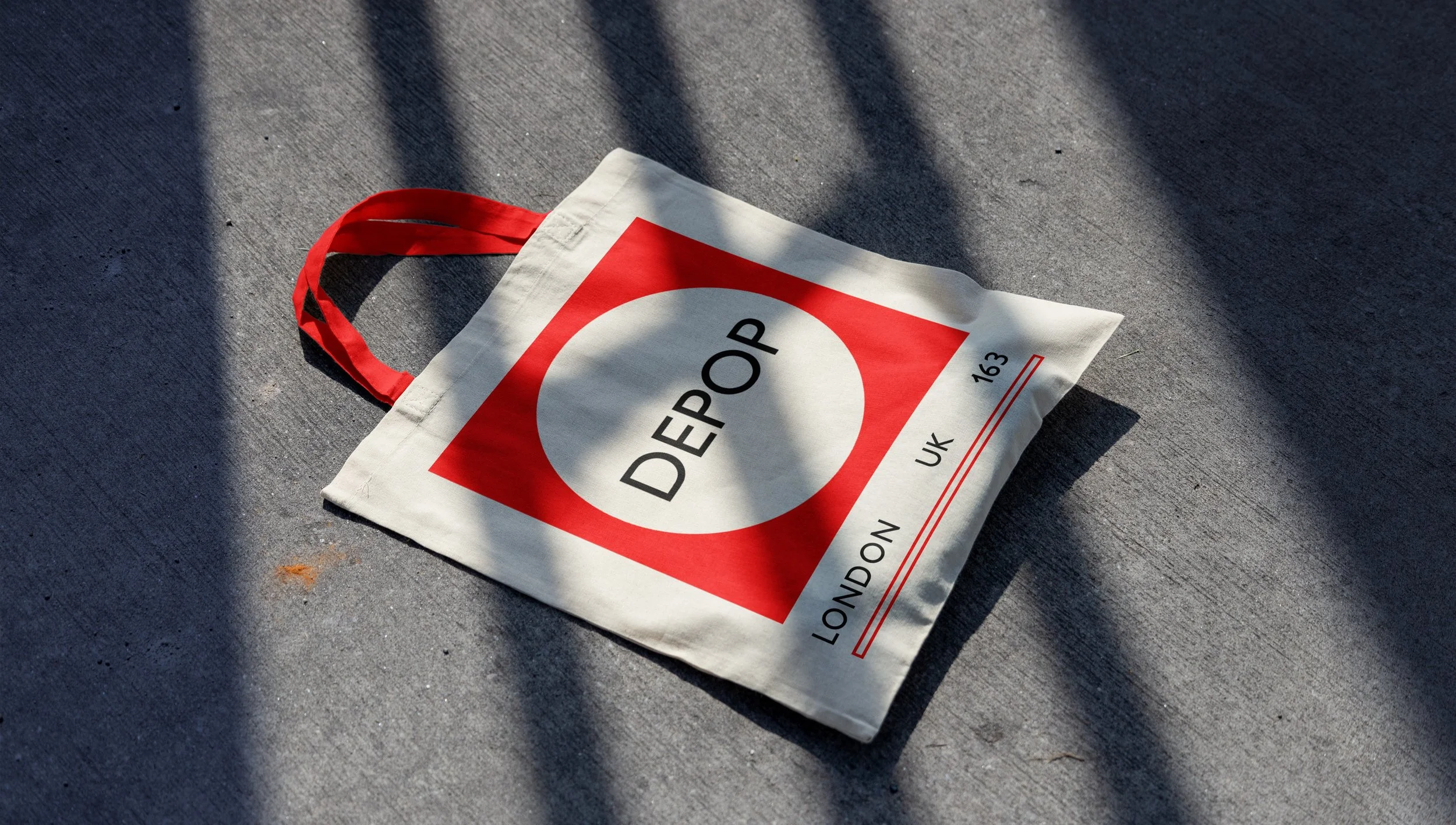
Out Of Home
Our audience has spoken. They do not want to be “influenced.” Subtle and self-assured is the new aspiration.
When you put quiet confidence at the forefront, you unlock an attitude that can move and grow, slow and steady .